Most people we talk to here at Premium Saunas hit the same fork in the road early on in their journey: dry sauna vs wet sauna. The experiences feel totally different, and they also diverge in terms of installation costs, maintenance requirements, and potential health benefits.
So, is dry or wet sauna better? Honestly, only YOU can answer that question - but we’re going to lay it all out there so you can make the right choice.
Read through our dry vs wet sauna comparison below, or get in touch with our experts for a personalized recommendation today. Whether you land on a wet or dry sauna, you’ll find the best brands and models here at Premium Saunas, backed by world-class customer service!
Dry Sauna vs Wet Sauna (Quick Comparison)
|
|
Dry Sauna |
Wet Sauna |
|
Heat source |
Electric heater (no water) or infrared panels |
Electric/wood heater + water poured on stones |
|
Temperature |
150-195°F (traditional) / 120-150°F (infrared) |
150-195°F |
|
Humidity |
5-15% (super low) |
20-40%+ during steam bursts |
|
Experience |
Consistent, even heat throughout the session |
Dynamic - steam bursts spike intensity on demand |
|
Health benefits |
Cardiovascular, muscle recovery, stress relief |
Same, plus potential respiratory relief from steam |
|
Maintenance |
Lower - less moisture to manage |
More since ventilation and drying matter |
|
Best for |
Steady heat seekers, humidity-sensitive users |
People who want the classic Finnish löyly ritual |
What is a Wet Sauna?
A wet sauna is a traditional sauna where you pour water over heated stones to produce bursts of steam. The Finnish word for that steam is löyly.
You have all the control over the steam - how much water, how often, how it interacts with the dry heat already in the cabin. That’s the heart of the traditional sauna experience. Humidity in a wet sauna just comes down to how aggressively you use the ladle.
The air dries back out between pours. Humidity spikes above 40% for a few seconds post-pour, and the room feels dramatically hotter before it settles. It’s a really different experience, and you can probably see what makes it so popular.
But let’s clear the air quickly, because we see people confuse “wet sauna” with “steam room” all the time - especially when reading about the wet sauna vs dry sauna debate online. Not the same thing at all.
A steam room is a tile-enclosed space with a generator pumping continuous steam at close to 100% humidity and much lower temperatures (around 110-120°F). It’s a different construction, heat profile, and experience entirely.
When we talk about the wet sauna vs dry sauna question throughout this article, we mean traditional wood-cabin saunas with a stone heater - not commercial steam rooms. That being said, let’s look at the other half of our wet vs dry sauna comparison.
What is a Dry Sauna?
A “dry sauna” can speak to two very different styles.
The first is a traditional Finnish sauna where you simply skip the water. Same heater, stones, and cabin - you just don't pour water and produce steam. The air stays hot and dry at 150-195°F, humidity hovers around 5-15%, and the heat hits your skin differently.
This is an interesting point worth making - any wet sauna can be a dry sauna if you want it to be. Steam is always optional. But, not every dry sauna can be a wet sauna. Because an infrared sauna is the other type of dry sauna you’ll find, and it’s very different in its own right.
Infrared panels warm your body directly instead of heating the air around you. That translates to lower cabin temperatures (120-150°F) and virtually zero humidity. No stones to pour water over, and you definitely don’t want to pour water on the infrared panels! Infrared is always dry by design.
The difference between wet and dry sauna is obvious the first time you step into an infrared cabin. You feel warmth radiating into your skin rather than sitting inside a box of hot air. It feels intense, but more manageable than a traditional sauna that relies on an electric heater or a wood-burning stove.
You can learn more about the different types of dry saunas in our infrared vs traditional sauna guide. In the meantime, let’s take a closer look at the dry sauna vs wet sauna side-by-side below.
Wet Sauna vs Dry Sauna: Is Dry or Wet Sauna Better?
So, is dry or wet sauna better? Like we said from the get-go, that’s up to you to decide. We typically recommend going with a traditional sauna if you anticipate ever wanting to experiment with steam. It’s better to have the option and not use it, than to want it and not be able to do it.
On the other hand, infrared saunas have become really popular for a reason - they’re more affordable upfront and over the course of time. The experience itself is unique, too.
You know the main difference between wet and dry sauna therapy at this point, but let’s dive in a little deeper so you can make the decision with total confidence.
Heating Method
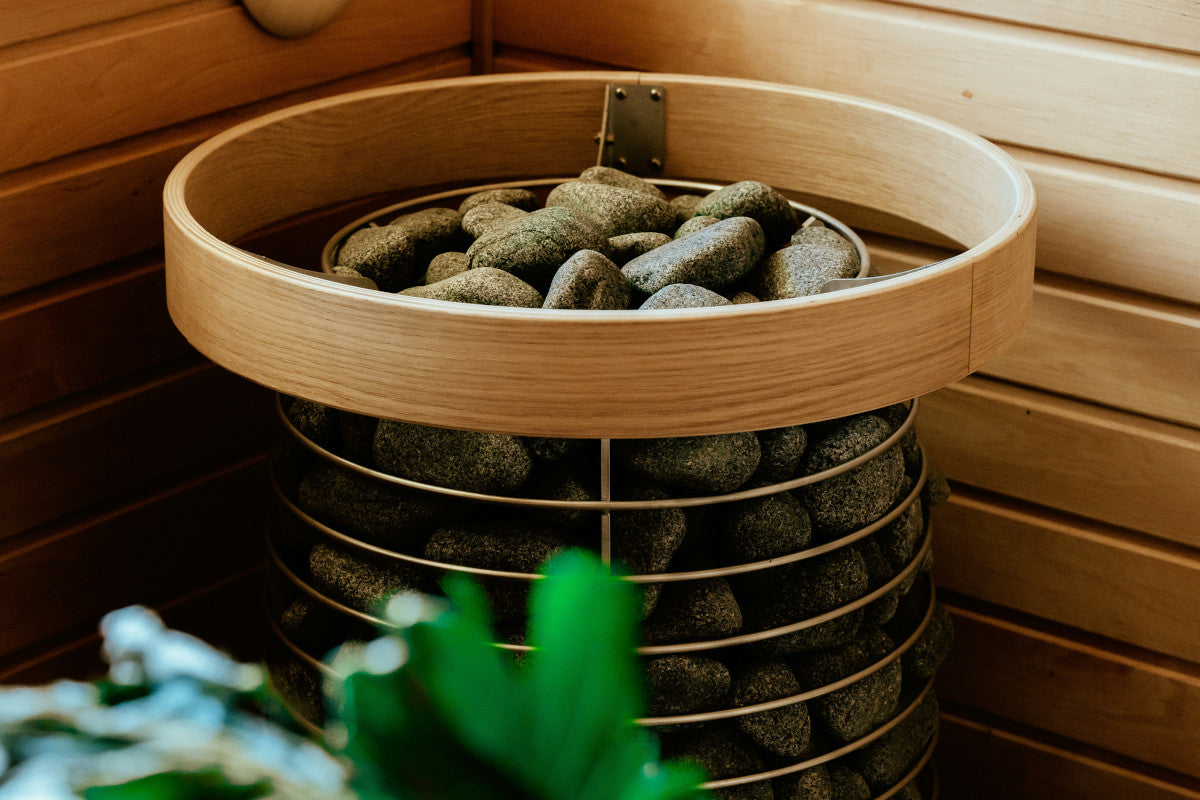
A wet sauna runs on an electric or wood-burning heater that brings a pile of stones to extreme temperatures. Those stones do double duty. They radiate steady dry heat into the cabin AND release steam the moment water touches them. The heater itself doesn't produce any moisture. You add it manually with a ladle, one scoop at a time.
On the other hand, a traditional dry sauna uses the exact same heater and stones. The only difference between wet and dry sauna operation in a traditional unit is whether the ladle comes off the wall. That's the entire wet sauna vs dry sauna distinction in a traditional cabin.
However, an infrared dry sauna completely changes the comparison. Carbon or ceramic panels emit wavelengths your body actually absorbs. The surrounding air never reaches high temperatures, but you still sweat vigorously. Infrared cabins heat up faster using less electricity per session.
Temperature and Humidity
Traditional saunas (wet or dry) typically run between 150°F and 195°F. The difference between wet and dry sauna at the same air temperature is more dramatic than you'd expect, though.
For example, the heat is intense at 180°F with 5% humidity, but your lungs handle it fine. Throw one ladle of water on the stones at that same temperature and the steam spike makes the room feel 20-30°F hotter on your skin for several seconds. That’s what wet sauna purists chase every session.
In contrast, infrared saunas stay in the 120-150°F range because the heating mechanism is different. The panels warm your tissue without needing scorching air. Humidity is negligible.
People who find the traditional temperature range overwhelming often land on infrared as a middle ground: real sweat, lower air temperature, no steam to deal with.
Specific Health Benefits
There is a lot of overlap between wet and dry saunas in terms of cardiovascular benefits. A long-running Finnish study published in JAMA Internal Medicine tracked over 2,000 men for 20+ years. Guys who used the sauna 4-7 times per week had much lower rates of cardiovascular disease and all-cause mortality compared to once-a-week users.
That study was conducted on traditional Finnish saunas, including both wet and dry styles. In other words, there’s no clear winner according to the dry sauna vs wet sauna health benefits research. It appears the heat exposure itself is where the benefits come from, not the humidity level.
That’s not to say there aren’t unique benefits associated with a wet sauna, though. This style can support respiratory health, since breathing steam opens nasal passages, loosens congestion, and can temporarily ease sinus symptoms. Think of how a hot shower feels when you're congested. Same idea, but the whole experience is turned up a notch.
Dry saunas (especially infrared) just don’t bring that benefit to the table. However, a lot of people find that lower humidity is easier on their airways during longer sessions.
You can support muscle recovery and joint relief using either a wet or dry sauna. Heat dilates blood vessels, boosts blood flow to sore muscles and stiff joints, and helps clear up tension. The physiological response is comparable whether that heat comes from steam-laden air or infrared panels.
So, is dry or wet sauna better from a therapeutic perspective? Our honest advice is to go with whichever you can actually commit to using 3-4 times a week. Reason being, the research is clear that consistency matters more than anything else.
The Actual Sauna Experience
This is where the wet sauna vs dry sauna question is totally personal.
A wet sauna session has a unique rhythm to it. You sit in dry heat for a few minutes, then everything changes when water hits the stones. Steam rolls off the rocks, your skin prickles, sweat accelerates, and the air turns thick. 30 seconds later, it softens, and the room breathes again.
A dry sauna is a consistent experience from start to finish, without any peaks or valleys in intensity. The temperature holds and the humidity stays flat. You’re sinking into relaxing warmth without any dramatic swings. Some people find this boring. Others find it deeply calming because there's nothing to manage.
Like we’ve said throughout this guide, neither is objectively better. That's the key takeaway from the dry sauna vs wet sauna comparison. All comes down to what type of experience you crave most.
Installation and Maintenance Requirements
Whether you plan to use a traditional sauna with steam, without steam, or as the wet and dry sauna combo it naturally is, there are some things you need to think about in advance. First and foremost, you need a wood-lined cabin (cedar, hemlock, or thermowood), a properly sized heater, and a dedicated 240V electrical circuit.
Using the sauna wet means paying more attention to ventilation and post-session drying, because standing moisture shortens wood life. You're not waterproofing anything like you would a steam room, but you need air moving through after every session.
Infrared saunas are simpler on every front - and that’s why they’re a best-seller in our collection at Premium Saunas. Most smaller units plug into a standard 120V outlet. Larger ones rarely need more than a 20-amp 240V circuit. No stones to maintain or special ventilation to deal with.
The difference between wet and dry sauna maintenance could be a deciding factor for you. Wet saunas need bench wiping after each use, a door left open to air-dry the cabin, occasional bench sanding, and periodic stone replacement. Dry saunas need less because there's no moisture cycling. Infrared needs the least of all.
So, is Wet or Dry Sauna Better?
Just like choosing between a barrel sauna vs square sauna, we can only give you the facts and let you make the decision. One isn’t inherently better than the other in comparing a dry sauna vs wet sauna.
But we can give you the most practical recommendation: buy a traditional sauna because it has the potential to be a wet and dry sauna combo from day one. Leave the stones alone and you have a dry sauna. Pour water and you have a wet sauna. Same cabin and heater, two completely different sessions depending on your mood. You just won’t get that flexibility in an infrared sauna.
However, infrared saunas still make sense if you're certain you only want dry heat because of the gentler temperatures, lower cost, and maintenance-free properties.
What Else Should You Think About in Choosing a Sauna?
The wet sauna vs dry sauna question is just the first question in a much longer decision-making process. A sauna is a big investment in your health, home, and happiness - here are some other factors to weigh:
- Indoor or outdoor: Indoor means year-round convenience and no weather to deal with. Outdoor gives you more sizing options and the cold-air contrast between rounds - a lot of people love that. Whether you want to buy an indoor sauna or a luxury outdoor sauna, we have awesome options to choose from at Premium Saunas.
- Capacity: Be realistic with yourself about how many people will typically use the sauna at once. This will dictate where you can install the sauna and how much you pay for it. A 2-person sauna fits in a bathroom. 4-person models need a basement or patio. 6-person and up works for social use. Don't overbuy unless you have the space and the electrical capacity.
- Budget: Our infrared saunas for sale cost less upfront and over time, starting at just under $2,000. Our traditional saunas for sale cost more but give you the wet and dry sauna combo capability, starting at just under $4,000. Nearly twice as much!
- Electrical: Most traditional saunas (wet or dry) need a dedicated 240V, 30-50 amp circuit. A lot of the smaller infrared models we carry can get by on 120V. Always check the spec sheet and hire a licensed electrician.
Our experts at Premium Saunas can help you weigh all of these variables, so don’t feel as if you have to figure everything out yourself. Just get in touch with our team!
How to Make the Most of Your Wet or Dry Sauna Session
Even the BEST sauna won’t earn its place in your home if you aren’t using it properly. Here are some quick tips on getting started:
- Drink water all day leading up to your session. You're about to lose a ton of fluid through sweat, and starting behind on hydration makes the session harder and shorter than it needs to be. Replenish afterwards, of course.
- Traditional saunas need 30-45 minutes to reach full operating temperature. Infrared takes 15-20. A sauna that hasn't fully preheated gives you uneven warmth and a worse experience.
- 15-20 minutes is plenty for your first session. See how you feel. You can work your way up to longer sessions, or do 2-3 rounds of that length with cold breaks between each round. That's a rhythm you build over time, though, not something you jump into on day one.
- Control the steam using one ladle at a time (assuming you go with a wet sauna). Dumping too much water creates a wave that can overwhelm first-timers and annoy experienced users who weren't ready for it. Build up gradually.
- Step outside, cold shower, cold plunge - whatever you have to do to cool down between rounds, do it. The contrast between extreme heat and cold is where a lot of the cardiovascular benefit and the physical rush comes from.
Most importantly, get out when your body says to. Dizziness, nausea, or a heart rate that feels wrong are your body telling you it’s overwhelmed. A wet or dry sauna session should feel challenging, not threatening. Don’t be a hero staying past your limit!
Still Not Sure Whether You Should Go With a Dry Sauna vs Wet Sauna?
We answer this exact question dozens of times a week. Premium Saunas stocks traditional, infrared, and hybrid models, all sourced from the best brands the industry has to offer - so you don’t have to worry about us steering you toward either side of the wet vs dry sauna debate.
Call (833) 322-4836 and walk us through what you're looking for. We'll help you sort through the wet sauna vs dry sauna decision, talk through sizing and electrical, and match you with models that actually fit.
You’ll also gain access to hassle-free financing, free shipping, and price-matching on every model we carry - backed by the full manufacturer’s warranty. Take the next step today!
Wrapping Up Our Wet vs Dry Sauna Comparison
However you phrase the wet vs dry sauna decision, it comes down to what kind of experience you want to build into your routine. We've covered every angle of the dry sauna vs wet sauna comparison. In summary:
- Wet saunas give you löyly - steam, intensity, rounds, ritual.
- Dry saunas give you steady heat with less humidity and way less maintenance.
A traditional sauna gives you both wet and dry in one unit. The wet vs dry sauna question becomes irrelevant when you can do both! That's why traditional is still the default for anyone who isn't locked into one preference.
The dry sauna vs wet sauna health benefits are real on both sides when used consistently. Both are worth owning. Is dry or wet sauna better? All that’s left for you to do now is decide for yourself!
Frequently asked questions
Should I buy a wet or dry sauna?
Buy a traditional sauna if you want the option of steam. It functions as a wet and dry sauna combo without modification. That alone answers the wet sauna vs dry sauna question for most buyers. Go infrared if you're sure you only want dry heat and the simplest installation. Most undecided buyers still going back and forth on dry sauna vs wet sauna end up happier with traditional because it doesn't lock them into one mode.
Is it safe to use a sauna every single day?
Yes, for most healthy adults. The Finnish population has been doing it for centuries. The long-term cardiovascular data support frequent use regardless of the difference between wet and dry saunas. The exception is if you have heart conditions, low blood pressure, or are pregnant.
Is a traditional or infrared sauna better if I decide on a dry sauna?
Traditional dry saunas run hotter (150-195°F) and leave the door open to adding steam later if you change your mind. Infrared operates at lower air temperatures (120-150°F) and directly heats your body, which some people find more tolerable for longer sits. Most importantly, though, they’re simpler and more affordable. Those are the main selling points for IR saunas.
How long do I need to stay in the sauna to maximize benefits?
15-20 minutes per round, whether you’re in a wet or dry sauna. The Finnish study showing the strongest benefits involved sessions of that length at least 4 times per week.
What should I do before a dry sauna session?
Hydrate well. Shower first if you can, since clean skin sweats better and keeps the cabin cleaner. Let the unit fully preheat (30-45 minutes for traditional, 15-20 for infrared). Skip heavy meals and alcohol beforehand, as both get in the way of your body's temperature-regulating abilities. The dry sauna vs wet sauna health benefits you're after depend on your body being able to handle the heat properly.
How do I care for my wet sauna?
Airflow is everything. Prop the door open after each session and let the interior completely dry. Trapped moisture leads to mold and premature wood aging. Wipe bench surfaces down while they're still warm. Sand them lightly 1-2 times a year when the grain starts to feel rough. Inspect heater stones every few months and swap out any that have crumbled, since broken stones restrict airflow and reduce performance.
Do I wear clothes in a sauna?
Finnish tradition says no - just bare skin and a towel to sit on. That’s the beauty of owning your own sauna. You don’t have to be uncomfortable in a shared space. But if you’re with friends/family, you can wear a light layer. The only firm rule: nothing synthetic. Polyester and nylon trap heat against your skin and can feel awful at sauna temperatures.