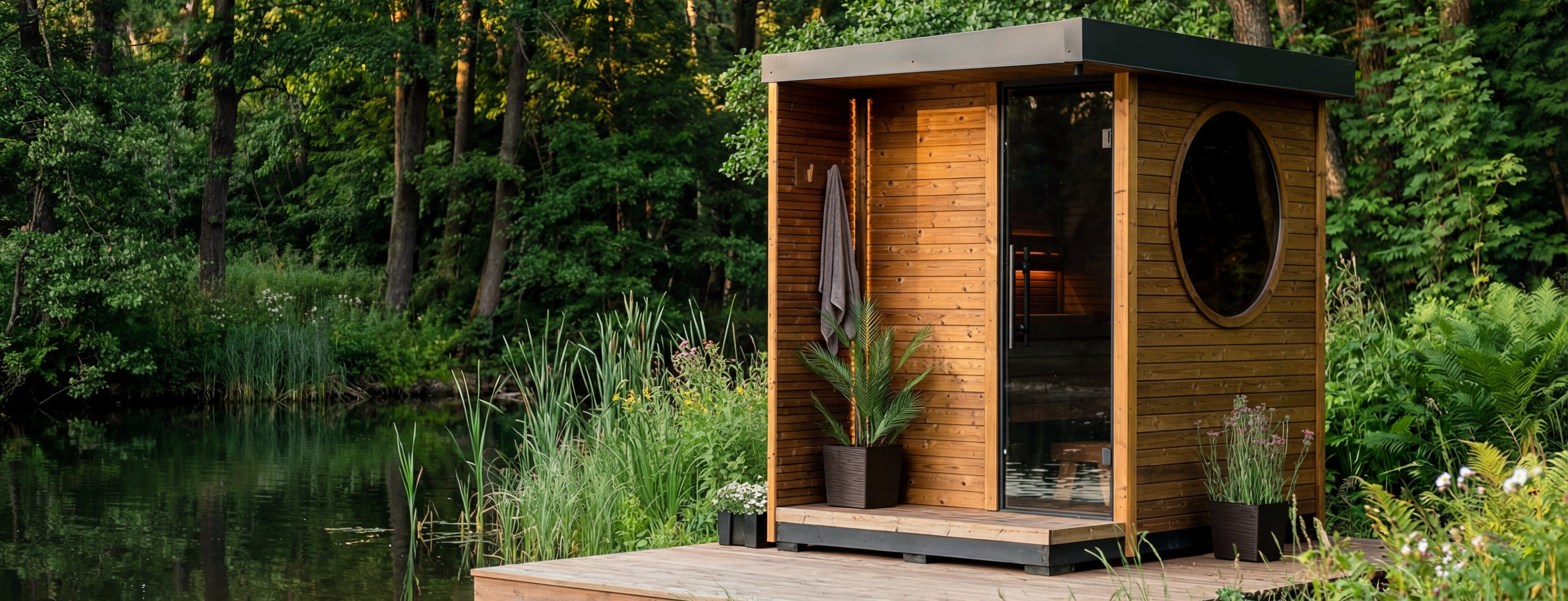
Cold plunging can help improve your stress response, boost your alertness, and clear out inflammation. Sauna therapy supports physical recovery, cardiovascular health, and stress. You probably know about the benefits of at least one of these wellness modalities. You might even incorporate one already. But the benefits of sauna and cold plunge used together are incredible.
These two go hand-in-hand for anyone trying to tap into their full potential and maximize their well-being. But should I cold plunge before or after sauna sessions? We get asked this question all the time here at Premium Saunas, as the #1 choice for both cold plunge tubs and saunas from over 30 brands.
The short answer is you should sauna first, THEN cold plunge. This is the sequence Nordic and Eastern European cultures have practiced for centuries because the heat opens up your blood vessels and loosens your muscles while the cold snaps everything shut, flushes inflammation, and triggers a norepinephrine rush that leaves you wired in the best way possible.
Timing is just one piece of the puzzle, though. Learn more about making the most of a sauna and cold plunge regimen below, and set yourself up for success at Premium Saunas!
Key Takeaways
- Sauna is done first because heat primes your cardiovascular system. This lets the cold exposure hit harder and speed up recovery.
- Spend 15-20 minutes in the sauna at 150°-190° for traditional (120°-150° for infrared) followed by 2-5 minutes in a cold plunge at 38°-60°.
- This dynamic healing duo can improve circulation, ease inflammation, speed up recovery, and improve your mood.
- Premium Saunas stocks the best equipment to take control of your wellbeing.
Quick Sauna vs Cold Plunge Comparison Chart
Before we get into the debate on cold plunge before or after sauna, let’s take a step back - a lot of people wonder if these two practices are interchangeable. Technically, you can do one without the other. But they’re so complementary that sticking with only one leaves gaps in your self-care regimen. Here’s a quick look at the cold plunge vs sauna side-by-side:
|
Sauna |
Cold Plunge |
|
|
Temperature |
150-190°F traditional, 120-150°F infrared |
38-60°F |
|
Session length |
15-20 minutes |
2-5 minutes |
|
Vascular response |
Vasodilation (vessels open) |
Vasoconstriction (vessels tighten) |
|
Heart rate |
Gradual increase |
Brief spike, then decrease |
|
Primary benefit |
Muscle relaxation, cardiovascular conditioning |
Inflammation reduction, alertness |
|
Neurotransmitter effect |
Endorphin release, cortisol reduction |
Norepinephrine surge (up to 200-300%) |
|
Best for |
Recovery, stress relief, detoxification |
Soreness, focus, immune response |
Why Contrast Therapy is So Powerful
Your circulatory system is forced to do something it rarely does in daily life when you intentionally alternate between heat and cold - it has to rapidly switch between vasodilation and vasoconstriction.
What does that mean, though? Basically, blood gets pumped through inflamed tissue faster than it normally would. This is why athletes, physical therapists, and Nordic cultures have always paired saunas and cold water to heal more quickly.
But, understanding the benefits of sauna and cold plunge together starts with seeing what each brings to your daily routine on its own.
What Does Sauna Therapy Do?
Sitting in a sauna raises your core temperature by just a few degrees Fahrenheit. Your heart rate climbs to 100-150 beats per minute (BPM), which is kind of like what happens when you exercise.
As a result, blood vessels dilate to push heat toward the skin. This increases circulation through the whole body. Oxygen and nutrients get delivered to muscles while harmful metabolic waste is carried away.
There’s a lot to love about sauna therapy beyond boosting recovery rates, though. It can improve heart health, lower inflammation, ease stress, support better sleep, and even aid in detoxification. Some people say sauna therapy helps their skin look better, too.
The two main sauna types are infrared and traditional. Both have their place. It just depends on the kind of vibe you’re after. A traditional sauna uses a stone heater and lets you pour water on the rocks for a steamy experience. An infrared sauna runs a little cooler and tends to cost less. Either way, it’s never been easier to bring a sauna into your backyard or home.
How Cold Plunging Works
This is the polar opposite of sauna therapy. Your blood vessels constrict when you drop into frigid water, which briefly raises blood pressure and forces the body to redirect blood flow to the core to protect organs.
This does something really interesting. It quite literally squeezes inflammatory byproducts out of your muscular tissue. Blood rushes back in with fresh oxygen when you get out of the tub.
Most people who have tried it once go back for the norepinephrine release. Some studies have shown that cold exposure can raise baseline norepinephrine by 200-300%. This produces a sense of laser focus and can improve your mood for hours after the plunge.
We are still learning a lot about what cold plunging does for the body, but some studies have gone as far as saying it may stimulate brown fat activation and support immune function over time.
But for most people, it’s the recovery, focus, and mood benefits that have them intrigued by the benefits of sauna and cold plunge. The question is, should I cold plunge before or after sauna?
Should I Cold Plunge Before or After Sauna?
Sauna first is the way to go. Follow up by immediately getting into the cold plunge tub at the conclusion of your session. The reason being, heat primes your body for cold.
Why We Recommend Sauna First
Your blood vessels are all the way dialed after you spend 15-20 minutes in the sauna. Your muscles are warm and pliable. Your core temperature is elevated. Stepping into a cold plunge from that state creates the maximum amount of vasoconstriction possible, because you’re at maximum vasodilation.
This is contrast therapy, after all. Why would you not want to MAXIMIZE the contrast? It leads to a stronger circulatory flush along with a more pronounced neurochemical response.
Now, the opposite order - cold plunge first, sauna second - is technically just as contrasting. But it doesn’t work the same way. Your blood vessels are already constricted from the cold, and it takes a few minutes in the sauna to bring them back to baseline instead of pushing you into a therapeutic range. It doesn’t have the same impact.
The Right Way to Use a Cold Plunge Tub After Your Sauna Session
The faster you can transition, the better. This is why a lot of people set up an outdoor sauna right next to a cold plunge tub. Making your way from the basement upstairs, out into the backyard, and into the tub costs you precious time while your body cools down.
This also means you should have your cold plunge tub dialed in ready to go before you get in the sauna, so you can dive right in afterward. Here are some more tips on making the most of the benefits of sauna and cold plunge together:
- Step out of the sauna and into the cold plunge within 30-60 seconds.
- Submerge to your shoulders, then dunk your head. Waist-deep won’t cut it.
- Stay in for 2-5 minutes. It can feel like an eternity as is. You don’t need longer. Especially if the water is between 38°F-45°F.
- Breathe through the shock. In through the nose, hold, and out through the mouth. Don’t hyperventilate or hold your breath.
- Let your body rewarm naturally when you get out of the cold tub. Don’t hop in the warm shower. The natural rewarming will extend the benefits of sauna and cold plunge because your circulatory system has to stay active.
You can do this in cycles if you want. Some people who have been combining the cold plunge and sauna for a while do 2-3 full rounds - sauna, plunge, sauna, plunge, sauna, plunge. Start with one, though.
Who Should Not Do Contrast Therapy?
Be very clear - the rapid cardiovascular swings from intense heat to freezing cold can be very intense. It’s a powerful combination. But it’s not safe for everyone. These people should talk to a doctor before trying a cold plunge after a sauna session:
- Uncontrolled high or low blood pressure
- History of heart attack, stroke, or arrhythmia
- Raynaud's disease or severe cold sensitivity
- Pregnancy
- Open wounds or recent surgery
That being said, contrast therapy is generally regarded as safe for most adults. Start conservatively. Lower sauna temperatures, shorter sessions, warmer cold plunge water, shorter sessions. Then you can gradually make it more difficult as you get used to it. It’s kind of like working out - you don’t want to push the limits too hard early on.
More Tips on Using Your Sauna and Cold Plunge Together
There are a few other things you should know before trying to harness the benefits of sauna and cold plunge together. First and foremost, make hydration a priority - especially if you’re using a traditional sauna that evokes an intense sweat response.
Secondly, try to time your sessions around training. Contrast therapy works best after your workout. Cold immersion before you lift or train can compromise strength and reaction time. It’s best to avoid eating a big meal for 90 minutes before you combine a sauna and cold plunge.
And most importantly, make sure you have a convenient, accessible setup so you can stick with this regimen consistently. That’ll be key to tapping into all the benefits of sauna and cold plunge together. We make this easy here at Premium Saunas with the best selection of indoor sauna models from industry-leading brands. Get a personalized recommendation today!
Parting Thoughts on the Benefits of Sauna and Cold Plunge
So, should I cold plunge before or after sauna? In conclusion, the order should be sauna THEN cold plunge. This will maximize the contrast effect, and thus, the benefits of sauna and cold plunge together. All that’s left to do now is jumpstart your journey at Premium Saunas!
Frequently Asked Questions
Is it safe to do a cold plunge after a sauna?
Yes! It’s actually the best way to enjoy the benefits of sauna and cold plunge together. We use this sequence ourselves - sauna first, then cold plunge.
Should I workout before or after a sauna and cold plunge?
Before. The order goes workout, sauna, cold plunge. This will help boost recovery rate so you can bounce back for the next training day even sooner.
Should I eat before or after a sauna and cold plunge?
You can have a little snack beforehand, but try to avoid anything too heavy. You don’t want your digestive system working hard during contrast therapy.
How long do I stay in the sauna and cold plunge?
15-20 minutes in the sauna, 2-5 minutes in the cold plunge. You can do multiple cycles if you want.
Related Resources
Red light therapy vs infrared sauna | Best outdoor sauna